
Real-Time Spam Detection
AI & Automation
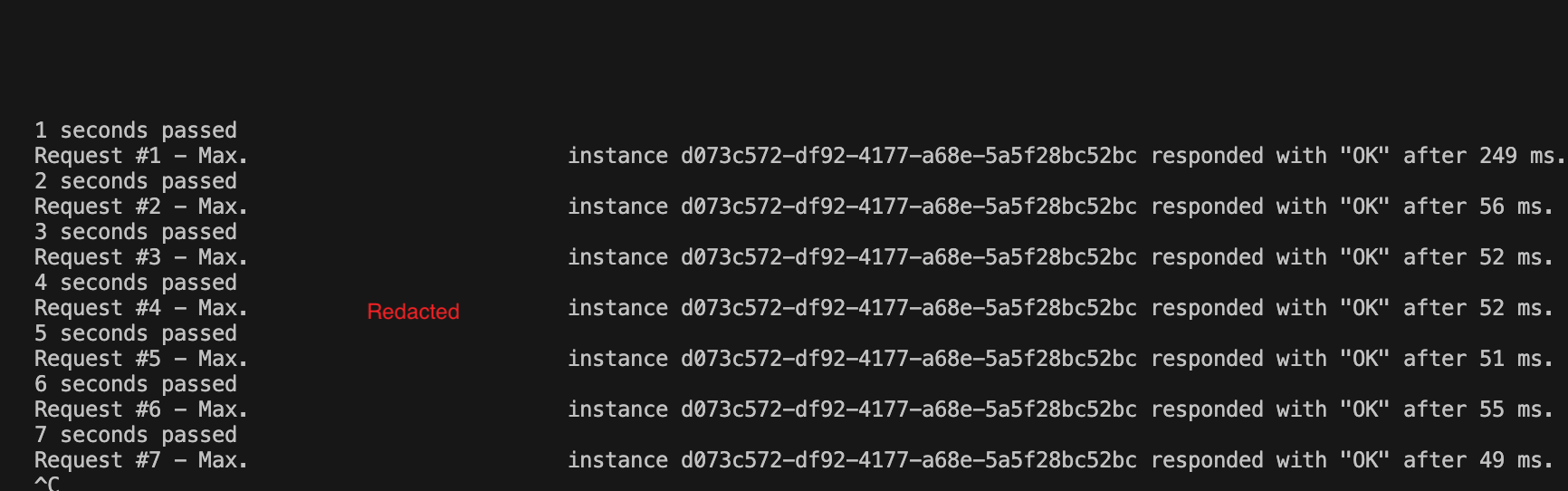
Built a sub-100ms spam detection service with FastAPI, Redis, and fine-tuned Mistral models, improving detection accuracy while controlling inference cost at scale.
Core Skills
AI Automation
FastAPI
Redis
LLM Integration
Performance Engineering
System Design
Year
2024
Impact
~90% detection, <10% false positives
Focus
AI Automation, API Design, Performance Engineering
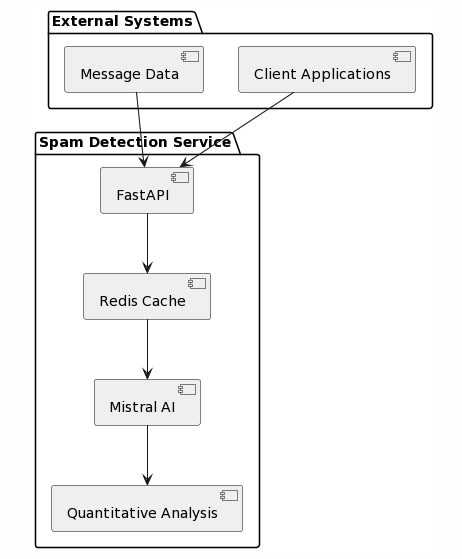
I designed and implemented a production-ready spam detection service to address a growing wave of client-facing junk messages. The platform combines FastAPI for low-latency APIs, Redis for intelligent caching, and a fine-tuned Mistral model for classification, allowing the service to score messages in well under 100ms while keeping inference costs under control.
To improve accuracy, I paired model-driven detection with temporal correlation and similarity scoring so the system could catch coordinated spam bursts without over-penalizing legitimate traffic. The result was an AI-enabled workflow that stayed fast, cost-aware, and operationally practical.

Impact and Outcomes
The service reached a positive detection rate of nearly 90% while keeping the false positive rate below 10%, materially improving the client experience and reducing the operational drag created by spam. Its low-latency architecture also gave the team a scalable foundation for future automation and messaging analysis work.
This project highlights the intersection of AI automation, API engineering, and performance-focused system design, demonstrating how I translate emerging tooling into practical business outcomes.